You scoop every day, you pour in fresh litter, and yet the litter box still has a persistent odor that follows you room to room. This is one of the most common frustrations in cat ownership, and the good news is that there's always a specific, fixable reason behind it.
Here are the six most common causes of persistent litter box odor — and how to fix each one.
1. The Plastic Box Is Absorbing Odor
This is the most overlooked cause, and it's extremely common. Plastic is porous. Over time — especially as it gets scratched by your cat's claws and your scooping tool — the surface develops thousands of tiny grooves that trap urine residue, bacteria, and ammonia. No amount of scooping removes these.
The fix: Wash the box with mild dish soap and hot water at every full litter change. Rinse with a diluted white vinegar solution (1 part vinegar to 3 parts water) to neutralize residual odor. Most importantly, replace the box every 1–2 years. A box that's held two years of scratches is simply not cleanable, regardless of product.
If you've been using the same box for three or more years, replace it first before trying anything else. It's likely the primary culprit.
2. You're Not Scooping Often Enough
A single unattended clump generates measurable ammonia odor within hours. Even if you scoop once a day, waste sitting for 18–24 hours is contributing significantly to the ambient odor level in your home.
The fix: Scoop at minimum once a day, ideally twice. For households with two or more cats, twice daily is the standard. To make this easier, a dedicated disposal system like NonScents Cat Litter Deodorizer applied after each scooping session helps neutralize odor at the source without masking it with fragrance — safe for all litter types and cats.
3. The Litter Depth Is Too Low
Most cat owners don't put enough litter in the box. The minimum effective depth for clumping litter is 3–4 inches. With less than that, urine reaches the bottom of the box and pools or soaks into the plastic directly — creating a layer of saturated, odor-producing residue that scooping can't address.
The fix: Measure the litter depth after each refill. When it drops below 2–3 inches due to clump removal, add more litter. Don't wait for the full change cycle.
4. You're Using the Wrong Litter for Your Cat's Habits
Not all litters control odor equally. Lightweight litters, while convenient, often have lower odor-control capacity. Non-clumping clay litters allow urine to saturate the lower layers, making odor removal impossible without a full change. Scented litters mask odor temporarily but don't eliminate it.
The fix: Look for a high-quality clumping clay or crystal litter with genuine odor-control compounds — not just fragrance. Our guide to the best cat litters of 2026 covers performance testing across the most popular options. The chemistry of feline odor is explained in full in our science of cat odor article if you want to understand what you're actually fighting.
5. The Box Location Has Poor Ventilation
A litter box in a small, enclosed space with no airflow concentrates odor rapidly. A bathroom with a door that stays closed, a cabinet, or an enclosed laundry nook amplifies smell significantly compared to an open, ventilated space.
The fix: Ensure the area around the box has airflow. A small fan aimed away from the box helps circulate air. If the box is in an enclosed cabinet or furniture unit, add ventilation holes or use a small carbon filter. Avoid placing boxes in humid locations (near showers or washing machines) as humidity accelerates bacterial growth.
6. You're Cleaning With the Wrong Products
Certain cleaning products create a bigger problem than they solve. Ammonia-based cleaners smell like urine to cats and can actually increase the intensity of the odor over time. Bleach sanitizes but leaves a chemical residue that can deter cats from the box, and it doesn't break down the uric acid crystals that are the real source of long-term odor.
The fix: Wash the box with unscented dish soap. Rinse with diluted white vinegar. For lingering deep odor, apply an enzymatic cleaner and allow it to fully dry before adding fresh litter. Enzyme cleaners break down the uric acid and bacteria that cause ammonia odor — see our complete guide on how enzyme cleaners work for detailed application instructions.
The Maintenance Routine That Actually Works
Combining these fixes into a consistent routine is what separates cat owners with odor-free homes from those who can always smell the litter box:
- Daily: Scoop all clumps and solids. Apply enzyme deodorizer if needed.
- Weekly: Check litter depth and top up. Wipe down the exterior and rim of the box.
- Every 2–4 weeks: Full litter change + dish soap wash + vinegar rinse + complete dry.
- Every 1–2 years: Replace the box entirely.
The Bottom Line
A litter box that smells even after cleaning has a specific, fixable cause. Work through the list above — starting with how old your box is — and you'll find the culprit. The most common fix? Replace the box and deep-clean more thoroughly at each change. For more on setting up the ideal litter box change schedule, see how often to change cat litter.
Frequently asked questions
Why does my cat's litter box smell like ammonia even after I just cleaned it?
Ammonia odor comes from bacterial breakdown of urea in urine. If the smell returns quickly after cleaning, the plastic box itself is likely harboring bacteria in scratches and micro-grooves that regular scooping can't reach. A full wash with soap and water, followed by an enzyme treatment, is needed. Old boxes — those more than 1–2 years old — should be replaced.
Does baking soda actually help with litter box smell?
Baking soda can neutralize some odor-causing acids, but it has real limits in a litter box environment. It won't eliminate ammonia (a base, not an acid), and it can irritate some cats' paws and respiratory systems. A fragrance-free enzymatic deodorizer is more effective and safer.
What is the best way to keep a litter box from smelling?
The most effective combination is: scoop daily (twice for multiple cats), use a high-quality clumping litter at 3–4 inch depth, wash the box thoroughly at every change, replace the box every 1–2 years, and use a fragrance-free enzymatic deodorizer. Location matters too — good ventilation significantly reduces ambient odor.
Products recommended in this guide
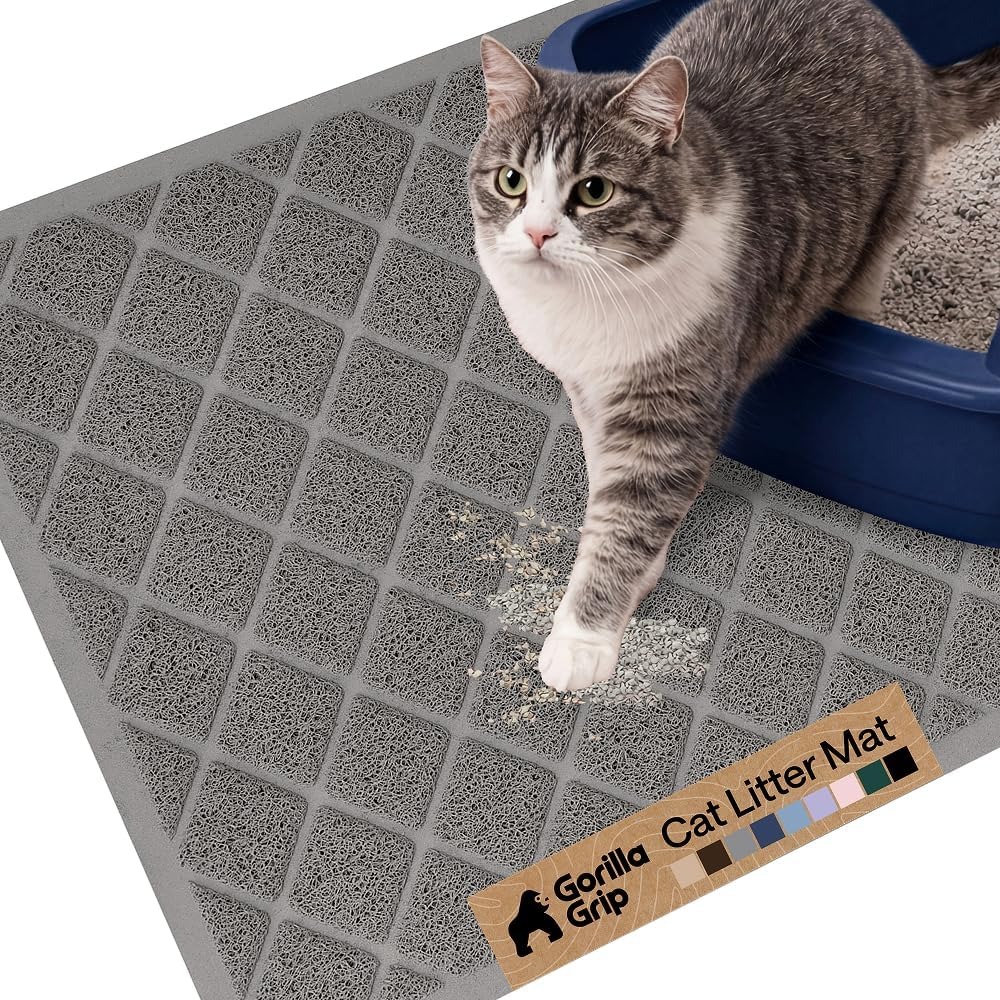
NonScents Cat Litter Deodorizer
Best for: Eliminating persistent litter box odor between changes
- Fragrance-free — eliminates odor rather than masking it
- Safe for cats and kittens
- Works with all litter types
- Needs reapplication every few days in high-traffic boxes
As an Amazon Associate, PetMessFix earns from qualifying purchases. You pay the same price — we earn a small commission at no extra cost to you.