A cat that has used the litter box consistently for years and then suddenly refuses to enter it has not forgotten how it works, become lazy, or decided to rebel against you. Cats are creatures of strong habit. When a habit breaks this dramatically, something specific has changed — and your job is to find out what.
This guide covers every major reason for complete litter box refusal and gives you a systematic way to work through them.
Start Here: See a Vet
Before assuming the problem is behavioral or environmental, schedule a vet appointment. Many physical conditions cause a cat to avoid the box:
- Urinary tract infection or FLUTD — causes pain during urination, which the cat associates with the box
- Constipation — straining and discomfort make the cat reluctant to enter
- Arthritis — high-sided boxes become impossible to enter without pain for older cats
- Urethral blockage — male cats especially; requires emergency care
- Post-surgical discomfort — a recently spayed or neutered cat may avoid positions that cause pain
If your cat has any other symptoms — changes in appetite, increased water intake, weight loss, lethargy, or vocalizing in or near the box — get to a vet the same day. Our article on blood in cat litter covers the medical emergency signs in detail.
The Box Is Too Dirty
The single most common reason cats stop using a litter box is that it's not clean enough by the cat's standards — which are considerably higher than ours. Most cats will refuse a box with more than one or two unremoved clumps. Some cats require pristine conditions every single time.
Fix: Scoop at minimum once daily, increase to twice if your cat is particular. See how often to change cat litter for a full maintenance schedule.
Litter Aversion
Cats can develop aversions to a specific litter type based on texture, fragrance, or even granule size. If you recently switched litters and the refusal coincided with that switch, the new litter is almost certainly the cause.
Even litters you've used for a long time can cause sudden aversion if the manufacturer changes the formula. Cats detect subtle chemical differences you'd never notice.
Fix: Return to the previous litter if possible. If the old litter is no longer available, introduce a new litter gradually — 75% old to 25% new — over two weeks. Our guide to the best cat litters covers which formulas have remained most consistent in texture and smell.
The Box Is Too Small
Cats prefer a box that is at least 1.5 times the length of their body from nose to tail base. Many commercially available boxes are undersized, especially for large breeds like Maine Coons or Norwegian Forest Cats. A cat that feels cramped will start going elsewhere.
Fix: Upgrade to a larger box or use a large storage container as a low-cost alternative. The Catit Jumbo Hooded Litter Box offers a significantly larger interior than standard boxes and comes with a removable hood — useful for testing whether your cat prefers open or covered.
The Location Is Wrong
A box that's too noisy, too exposed, or too far away will be avoided — particularly by older cats with less time to make it to a remote location.
Common location problems: - Next to the washing machine or dryer (sudden loud noise while in the box creates lasting aversion) - In a high-traffic hallway where the cat feels watched or exposed - In the basement — too far for a senior cat or a cat with arthritis - In a corner where another cat can block the exit (multi-cat ambush)
Fix: Move the box to a quieter, more accessible location. Add a second box in a different area of the house.
Multi-Cat Conflict
In multi-cat households, resource guarding over the litter box is common. A dominant cat may wait near the box and prevent a more submissive cat from using it. The submissive cat won't announce this — they simply stop using the box.
Fix: The standard rule is one litter box per cat plus one extra, placed in different locations so no single cat can control access to all of them. Read our multi-cat litter guide for placement strategy and box count recommendations.
Negative Association / Box Phobia
If a cat experienced significant pain while using the box — during a UTI episode, for example — they can develop a lasting negative association with the box itself, even after the medical issue is resolved. They remember that the box hurt them.
Fix: Try a completely new box in a new location, with a different litter type. The combination of new box + new location + new litter disrupts the association. Add a herbal attractant to encourage first use.
Stress and Environmental Changes
New pets, new family members, moving, construction, changes in your work schedule, or even rearranging furniture can cause enough stress to disrupt litter box behavior. Feline Idiopathic Cystitis — a stress-induced bladder inflammation — causes physical symptoms that make the box painful.
Fix: Identify and minimize the stressor where possible. Provide additional hiding spots, vertical space, and routine. Consider a feline pheromone diffuser (Feliway). If symptoms persist, see your vet.
The Step-by-Step Troubleshooting Approach
- Vet check — rule out medical causes
- Scoop more frequently — twice daily minimum
- Deep-clean the box — soap, rinse, enzyme treatment
- Try a different litter — especially if you've changed recently
- Add a second box in a completely different location
- Check for multi-cat conflict — observe who has access to what
- Try an uncovered box if you're using covered — most cats prefer open
- Move the box to a quieter, more private spot
- Replace the box entirely with a new one
The Bottom Line
Litter box refusal is always communicating something. Work through the checklist systematically, starting with a vet visit. In most cases, the cause is identified and resolved within a week or two of targeted changes. For situations where the cat is peeing outside the box rather than refusing entirely, see why cats pee outside the litter box for the full picture.
Frequently asked questions
What does it mean when a cat stops using the litter box completely?
Complete litter box refusal usually signals either a medical problem (pain, UTI, arthritis making entry difficult) or a strong aversion to something about the box setup (dirty litter, wrong texture, box location, negative association from a past painful experience). A vet check should be the first step to rule out medical causes.
Can a cat forget how to use a litter box?
Cats don't forget — they avoid. If a cat that was previously reliable stops using the box, something specific has changed or worsened: the box conditions, the cat's physical ability to use it, or the cat's stress level. Identify what changed and address it directly.
How long can a cat go without using the litter box?
A healthy adult cat typically urinates 2–4 times per day and defecates 1–2 times per day. If your cat has not urinated in more than 12–24 hours, especially if they appear to be straining, this is a veterinary emergency. Fecal retention for more than 48–72 hours also warrants a vet call.
Products recommended in this guide
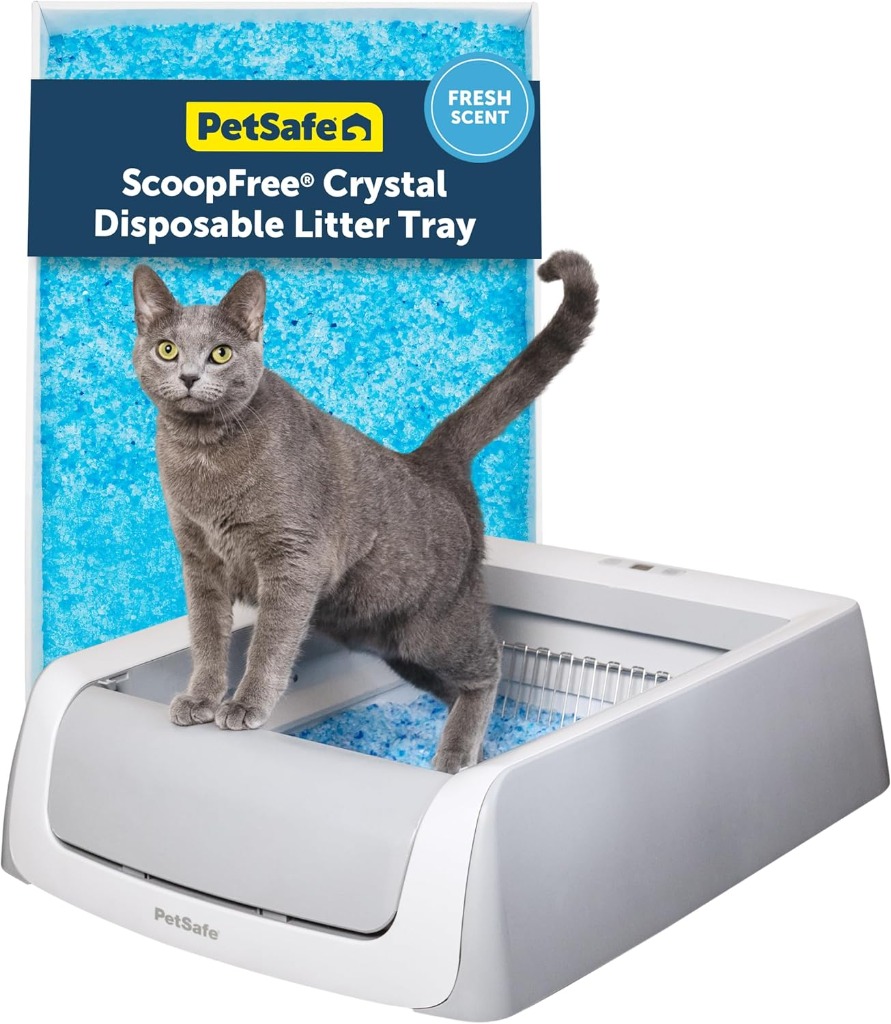
Catit Jumbo Hooded Cat Litter Box
Best for: Cats that need more space or privacy in the litter box
- Extra-large interior comfortable for large cats
- Carbon filter reduces odor
- Hood can be removed for open-box preference
- Some cats take time to accept the enclosed format
As an Amazon Associate, PetMessFix earns from qualifying purchases. You pay the same price — we earn a small commission at no extra cost to you.