Whether to use a covered or uncovered litter box is one of those decisions that seems simple until you realize your cat has an opinion about it — and that opinion can determine whether they use the box at all. This guide looks at the actual evidence, the legitimate advantages of each type, and how to figure out what works best for your specific cat.
What Research Actually Says
A 2013 study published in the Journal of Veterinary Behavior offered cats a choice between covered and uncovered boxes under controlled conditions. The result: cats showed no statistically significant preference for either type. More importantly, there was significant individual variation — some cats consistently preferred covered boxes, others clearly preferred open boxes.
The takeaway for cat owners: there is no universal answer. What matters is your individual cat's preference, which you can test empirically.
The Case for Covered Litter Boxes
Odor Containment (From Your Perspective)
A covered box does a better job of directing litter odor downward rather than releasing it into the room. For owners in small apartments or who keep the litter box in a living space, this is a meaningful benefit. Carbon filter-equipped hoods improve this further.
Privacy and Security (For Some Cats)
Some cats — particularly anxious cats or those in multi-pet households — appreciate the privacy that a covered box provides. They feel less vulnerable during elimination if they can't be approached from all sides.
Reduced Litter Scatter
High-sided covered boxes prevent enthusiastic diggers from throwing litter across the floor. For serious scatter problems, see our guide to stopping litter tracking.
Aesthetic Appeal
Covered boxes are generally easier to integrate into a home's decor. Many furniture-style covered boxes blend into the environment entirely.
The Case for Uncovered Litter Boxes
Cats Can See Their Surroundings
Elimination is a vulnerable moment for cats. A cat's wild ancestors were at risk of predation while crouching to eliminate, so cats instinctively want to maintain awareness of their surroundings. An open box lets the cat see in all directions. A covered box, from the cat's perspective, is a small enclosed space from which rapid escape is difficult.
Better Ventilation — For the Cat
While a covered box reduces odor that escapes into the room, it concentrates odor inside the box. The ammonia concentration inside a covered box (especially between scoopings) is dramatically higher than in an open box. Since cats are far more sensitive to smell than we are, this concentrated odor is a genuine deterrent.
No Size Restriction
Many covered boxes are too small for large cats. The absolute minimum size for any box is 1.5 times the length of the cat from nose to tail base. A large Maine Coon that fits poorly in a covered box will avoid it. Open boxes, including large storage containers, can accommodate any cat size.
Accessibility for All Life Stages
Kittens learning to use the litter box find open, low-sided trays far more accessible than covered boxes with a single narrow entrance. Elderly cats with arthritis or mobility issues may struggle with the specific entry/exit motions required by some covered box designs. See our kitten litter training guide for age-specific recommendations.
Easier Monitoring
An open box lets you visually check on your cat's litter habits more easily — an important health monitoring tool, since changes in frequency, volume, or appearance of waste are often early indicators of medical issues.
Top-Entry Boxes: A Third Option
Top-entry boxes require the cat to jump up and drop down into the box. The benefits: dramatically reduced litter tracking (cats shake litter off their paws as they exit), complete containment of spray from cats who aim high, and prevention of dog access in multi-pet homes.
The drawbacks: unsuitable for kittens, senior cats, or any cat with mobility limitations. The required motion also confuses some cats initially, causing temporary avoidance.
Self-Cleaning and Automatic Boxes
If you're considering covered boxes largely for odor control or convenience, automatic self-cleaning options offer a compelling alternative. They scoop automatically after each use, dramatically reducing odor at the source. See our complete review of self-cleaning litter boxes for a detailed comparison.
How to Choose: The Empirical Approach
Rather than guessing, test. If you're setting up a new litter box system:
- Offer both a covered and uncovered box simultaneously in the same general area
- Keep both clean and equal in all other respects
- Observe which box your cat uses more frequently over 2–3 weeks
- Go with the winner
If your cat is already experiencing litter box problems, switching from covered to uncovered (or vice versa) is worth trying as part of systematic troubleshooting. For cats that are refusing the box entirely, see our guide on cat litter box refusal.
The Bottom Line
The research says most cats don't have a strong preference — but your cat might. Covered boxes offer real benefits for odor management from a human perspective, while uncovered boxes often work better from the cat's perspective in terms of ventilation, visibility, and ease of access. When in doubt, start with a high-quality open box like the Petmate Open Litter Pan with antimicrobial protection, then test a covered option if you want to compare.
Frequently asked questions
Do cats prefer covered or uncovered litter boxes?
Research suggests that most cats do not have a strong preference — but when a preference exists, it more commonly leans toward uncovered boxes. Cats value the ability to see their surroundings while eliminating (a survival instinct), easy entry and exit, and adequate ventilation. However, individual preferences vary significantly, and the best approach is to offer both types and observe which your cat chooses.
Do covered litter boxes control odor better?
Covered boxes contain odor from a human perspective but actually trap it from the cat's perspective. The odor concentration inside a covered box is significantly higher than in an open box. While it reduces the smell you notice, it can make the box unpleasant enough for the cat to avoid using it. Regular scooping matters far more than box type for actual odor management.
Are top-entry litter boxes good for cats?
Top-entry boxes work well for many cats — particularly those that tend to spray urine on box walls, or in households with dogs that raid litter boxes. However, they require physical ability to jump up and down, making them unsuitable for kittens, elderly cats, or any cat with mobility limitations.
Products recommended in this guide
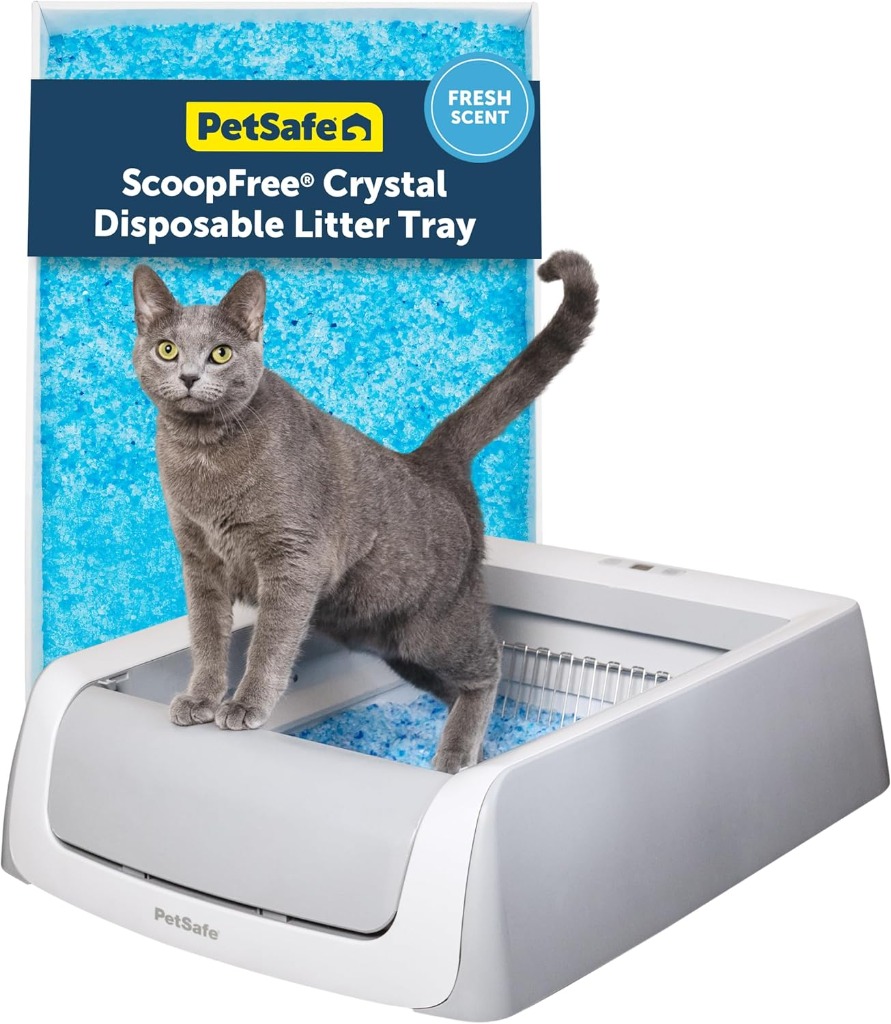
Petmate Open Cat Litter Pan with Microban
Best for: Cats that prefer open-top litter boxes
- Microban antimicrobial protection reduces odor and bacteria
- Low-entry design accessible for kittens and senior cats
- Available in multiple sizes including jumbo
- No odor containment from the sides
As an Amazon Associate, PetMessFix earns from qualifying purchases. You pay the same price — we earn a small commission at no extra cost to you.