Introduction: The Feline Waste Management Dilemma
Every cat owner understands the unique joy and companionship that comes with sharing a home with a feline friend. However, alongside the purrs, cuddles, and playful antics comes one universally dreaded chore: managing the litter box. For decades, cat owners have relied on the traditional plastic pan and slotted scoop, a daily task that demands time, effort, and a strong tolerance for unpleasant odors. Enter the self-cleaning litter box—a technological marvel designed to automate the waste management process, promising a hands-off approach to one of pet ownership's most tedious responsibilities.
But are self-cleaning litter boxes genuinely worth the hefty price tag, or are they simply an over-engineered solution to a straightforward problem? In this comprehensive guide, we delve deep into the science, mechanics, behavioral impacts, and practicalities of automated litter systems. By the end of this article, you will have a thorough understanding of whether a self-cleaning litter box is the right investment for you, your household, and most importantly, your cat.
✨ Our Top Pick: PetSafe ScoopFree Self-Cleaning Box
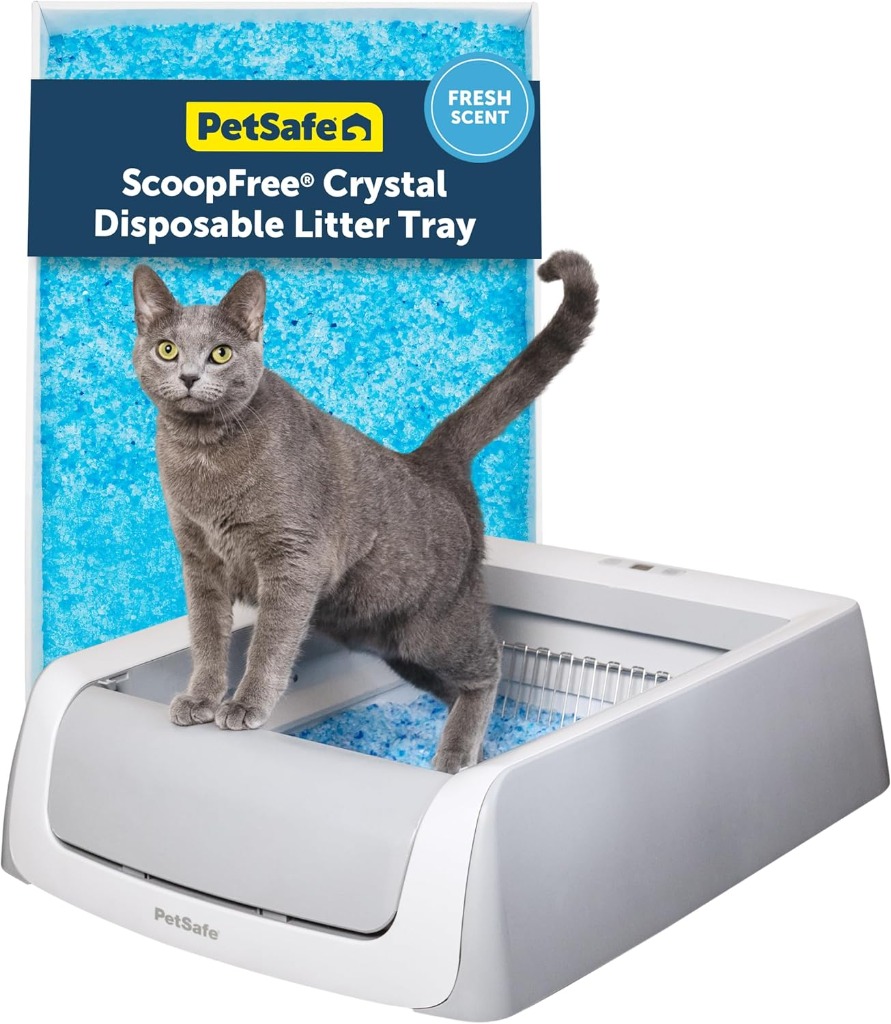
Automatically removes waste and controls odor. Say goodbye to daily scooping!
Buy on Amazon →🔗 Affiliate link — you pay the same Amazon price, we earn a small commission at no cost to you.
What Are Self-Cleaning Litter Boxes?
At its core, a self-cleaning litter box is an electro-mechanical device designed to separate cat waste (both urine clumps and feces) from clean litter without requiring manual scooping. While the concept sounds simple, the execution involves complex engineering. These devices typically utilize sensors, motors, and specific mechanisms to detect when a cat has used the box, wait for a predetermined period to allow clumps to form, and then automatically initiate a cleaning cycle.
The extracted waste is usually deposited into a sealed or semi-sealed compartment, isolating the odor and hiding the waste from sight until it is time to empty the receptacle. The primary goal is twofold: to maintain a consistently clean environment for the cat, encouraging proper litter box habits, and to reduce the daily labor required by the pet owner.
The Science and Technology Behind Automated Litter Boxes
Understanding how these devices work is crucial for evaluating their effectiveness. Modern self-cleaning litter boxes rely on several key technological components:
1. Weight and Motion Sensors
The operation of an automated litter box begins with detection. Advanced models utilize highly sensitive weight sensors (load cells) built into the base of the unit. When a cat steps inside, the sensor registers the change in weight, confirming the presence of the animal. Motion and infrared (IR) sensors are also commonly used as supplementary safety features to detect movement within or around the box. These sensors ensure that the cleaning cycle only begins after the cat has safely exited the box.
2. Delay Timers
Once the cat leaves, a built-in timer initiates a countdown. This delay, typically ranging from 5 to 20 minutes, is scientifically calibrated based on the absorption and clumping rates of standard clumping clay litters. If the machine were to cycle immediately, wet urine might smear across the internal mechanisms. The delay allows the moisture to be fully absorbed by the bentonite clay, forming a solid, easily removable clump.
3. Separation Mechanisms
The actual cleaning process varies by design, but primarily falls into three categories:
- Rake Mechanisms: A motorized comb or rake moves through the litter bed from one end to the other, scooping up solid waste and clumps, and pushing them into a waste trap. The PetSafe ScoopFree Self-Cleaning Box is an excellent example of this, utilizing specialized crystal litter to dehydrate solid waste and absorb liquid, while a rake sweeps the solids away.
- Rotating Globes: Devices like the Litter-Robot feature a large, spherical chamber. During the cleaning cycle, the entire globe rotates slowly. The clean litter sifts through a specialized screen, retaining the clean granules in a holding area, while the larger waste clumps tumble down a chute into a carbon-filtered drawer below. As the globe returns to its original position, the clean litter shifts back into place.
- Conveyor Systems: A less common but innovative design where a slowly moving conveyor belt acts as the floor of the box. As the belt turns, the waste is carried toward a disposal bin while fresh litter is dispensed.
Key Benefits of Self-Cleaning Litter Boxes
For many households, automating the litter box is a transformative experience. Let's explore the primary advantages:
1. Unmatched Convenience
The most obvious benefit is the dramatic reduction in daily maintenance. Depending on the model and the number of cats, a self-cleaning box might only need its waste receptacle emptied once every week or two. This is particularly advantageous for busy professionals, individuals with mobility issues, or pregnant women who are advised to avoid handling cat feces due to the risk of toxoplasmosis.
2. Superior Odor Control
Feline urine contains high concentrations of urea, which bacteria break down into ammonia, leading to that distinct, pungent litter box smell. By removing waste promptly after each use, automated boxes significantly limit the time waste sits exposed to the air. Furthermore, the sealed waste compartments often incorporate carbon filters or are designed to trap gases, providing a vastly improved olfactory experience in the home.
3. Enhanced Feline Hygiene
Cats are notoriously fastidious creatures with a powerful sense of smell. A dirty litter box can cause significant stress and may lead to inappropriate elimination behaviors (such as urinating on carpets or furniture). A self-cleaning box ensures that every time your cat steps in, they are greeted with a fresh, clean bed of litter, which is optimal for their psychological and physical well-being.
4. Ideal for Multi-Cat Households
The general veterinary rule of thumb for litter boxes is "one per cat, plus one." However, in smaller apartments, housing three or four traditional boxes is often impractical. Because a self-cleaning box is constantly refreshing itself, it can sometimes serve multiple cats efficiently, reducing the total footprint of litter pans needed in the home.
✨ Our Top Pick: PetSafe ScoopFree Self-Cleaning Box
Automatically removes waste and controls odor. Say goodbye to daily scooping!
Buy on Amazon →🔗 Affiliate link — you pay the same Amazon price, we earn a small commission at no cost to you.
Drawbacks and Limitations
Despite their high-tech appeal, automated litter boxes are not without their flaws. It's essential to consider the potential downsides before making a purchase.
1. High Initial Cost
The barrier to entry is steep. While a standard plastic pan might cost $15, an entry-level automated box starts around $150, with premium models easily exceeding $500 to $700. This represents a significant financial commitment.
2. Maintenance and Malfunctions
Mechanical devices have moving parts, sensors, and circuitry—all of which operate in an extremely dusty and sometimes damp environment. Rakes can jam if a cat produces abnormally large or sticky clumps. Sensors can become obscured by dust, causing the machine to cycle unnecessarily or, worse, fail to cycle at all. Deep cleaning an automated box can also be a tedious process involving the disassembly of electronic components, wiping down tracks, and recalibrating sensors.
3. The "Cat Fright" Factor
Not all cats will embrace an automated box. The sudden movement and mechanical whirring of a cleaning cycle can be terrifying to a timid or easily startled cat. If a cat associates the box with fear, they will simply stop using it. Introducing the box slowly and initially leaving it unplugged is crucial for a successful transition.
4. Space and Power Requirements
Self-cleaning boxes are universally larger than traditional pans to accommodate the motors and waste bins. They also require an electrical outlet, which limits where you can place the box in your home. You can no longer tuck the box into any convenient dark corner; it must be near a power source and have enough vertical clearance for models that rotate or flip open.
Behavioral Science: How Cats Perceive Self-Cleaning Boxes
From a feline behavioral perspective, the introduction of a self-cleaning litter box is a major environmental shift. Felines exhibit a behavioral trait known as neophobia—a fear of new things. A large, enclosed, noisy machine replacing their familiar bathroom can be deeply unsettling.
Furthermore, cats rely on scent mapping to feel secure in their territory. While humans abhor the smell of a litter box, to a cat, their own scent provides comfort and reassurance that the territory is theirs. If an automated box removes all traces of the cat's scent too quickly, the cat may feel that their territory is being constantly "erased," which can lead to anxiety and over-marking.
To mitigate this, veterinary behaviorists recommend leaving a small amount of soiled litter in the new automated box during the initial transition period. This provides olfactory continuity. It is also advised to keep the old, traditional box nearby but uncleaned, encouraging the cat to naturally gravitate toward the cleaner, automated option over time.
Veterinary Perspectives: Health Monitoring
One of the less-discussed aspects of automated litter boxes is how they impact a pet owner's ability to monitor their cat's health. In veterinary medicine, the litter box is often the first indicator of illness. An increase in urine volume can signal diabetes or kidney disease. Frequent trips to the box with small urine output can indicate feline lower urinary tract disease (FLUTD) or life-threatening blockages.
When you scoop a traditional box daily, you naturally observe the size, frequency, and consistency of the clumps and stool. An automated box whisks this evidence away before you can see it. However, modern premium models are mitigating this drawback through smartphone integration. By using load cells and Wi-Fi connectivity, the companion apps can track how many times a day the cat uses the box, their weight, and the duration of each visit. This data can provide a baseline and alert the owner to anomalies, sometimes catching health issues faster than manual observation.
Cost-Benefit Analysis: Are They Truly Worth the Investment?
When weighing the financial aspects, it's important to look beyond the initial purchase price. There are long-term operational costs to consider.
Proprietary Consumables: Some systems require specialized, brand-specific trays, crystals, or cleaning solutions. For instance, cartridge-based systems can cost $20 to $30 per month to maintain. Over a few years, the cost of these consumables will far exceed the price of the machine itself.
Litter Efficiency: Conversely, models that use standard clumping clay are often much more efficient with litter than human scoopers. The sifting mechanisms remove only the soiled clumps, leaving the clean litter behind. Over time, you may find yourself purchasing significantly less litter, which can offset the electricity and initial investment costs.
Time is Money: Finally, consider the value of your time. If a self-cleaning box saves you 10 minutes a day, that translates to roughly 60 hours a year. For many, regaining that time and eliminating an unpleasant chore makes the investment entirely worthwhile.
Traditional Litter Box vs. Self-Cleaning Box: The Final Breakdown
If you are still on the fence, consider the following comparisons:
- Hygiene: Automated boxes win hands down for consistency, ensuring a clean bed of litter after every use.
- Odor Control: Automated systems excel at immediately sealing away waste, although traditional boxes scooped twice daily can compete.
- Maintenance: Traditional boxes require daily micro-maintenance (scooping). Automated boxes require less frequent but more intensive macro-maintenance (deep cleaning the machine, fixing jams).
- Cost: Traditional boxes are extremely cost-effective. Automated boxes are a luxury investment.
The Role of Odor Control and Accessories
If you decide that a high-tech self-cleaning box is out of your budget, or if your cat absolutely refuses to use one, you are not out of options for improving your current setup. Excellent odor control and convenience can still be achieved without robotics.
For example, combining a high-sided traditional litter pan with premium clumping litter and a specialized disposal system can mimic the odor-trapping benefits of an automated unit. A product like the Litter Genie is a fantastic middle ground. It is an air-tight, multi-layer bagged receptacle that sits next to the litter box. You simply scoop the waste into the pail and pull a lever to drop the waste into the sealed lower chamber, locking away odors instantly. This reduces trips to the outside trash can and keeps the surrounding air smelling fresh.
However, if your primary goal is to completely eliminate the act of scooping, investing in a robust, well-reviewed automated system remains your best bet. If you are looking for an excellent entry point into automated systems that balances cost and functionality, the rake-based systems that utilize dehydrating crystals are incredibly popular. As mentioned, our top pick for this category is the PetSafe ScoopFree Self-Cleaning Box, which you can find detailed below.
Final Thoughts & Verdict
So, are self-cleaning litter boxes worth it? The answer is a resounding yes, provided you have the budget and the right expectations. They are not entirely maintenance-free appliances; they are tools that shift the burden of daily scooping to weekly or bi-weekly emptying and occasional deep cleaning. They drastically improve household odor, provide a consistently clean environment for your cat, and free up your valuable time.
Before purchasing, assess your cat's temperament. A confident, adaptable cat will likely take to an automated box within a week. A skittish, anxious cat will require a much more gradual introduction. Consider the space available in your home, proximity to outlets, and whether you prefer to use standard clumping clay or are willing to invest in proprietary crystal cartridges.
Ultimately, a self-cleaning litter box represents an investment in your home's hygiene and your own quality of life. By understanding the technology, the maintenance requirements, and the feline behavioral aspects involved, you can make an informed decision that will lead to a happier, cleaner household for both you and your beloved pet.
✨ Our Top Pick: PetSafe ScoopFree Self-Cleaning Box
Automatically removes waste and controls odor. Say goodbye to daily scooping!
Buy on Amazon →🔗 Affiliate link — you pay the same Amazon price, we earn a small commission at no cost to you.