The Quest for the Perfect Litter: An Exhaustive Scientific Analysis
If you share your home with a feline friend, you understand that finding the perfect cat litter is akin to a holy grail quest. In 2026, the pet industry is overflowing with options: from traditional bentonite clays to futuristic color-changing silica gels, biodegradable tofu, upcycled wood fibers, and flushable corn kernels. We tested 37 different cat litters over a six-month period to find the absolute best options for odor control, hard clumping, low tracking, and cat acceptance.
In this comprehensive guide, we are going deep. We will explore the chemical mechanisms of odor suppression, the structural engineering of a solid clump, and the psychological nuances of feline elimination preferences. Whether you are dealing with a picky Persian, a high-spraying Maine Coon, or a multi-cat household that smells like an ammonia factory, we have the scientifically backed answers you need.
🏆 Our Top Pick: Dr. Elsey's Premium Clumping Cat Litter
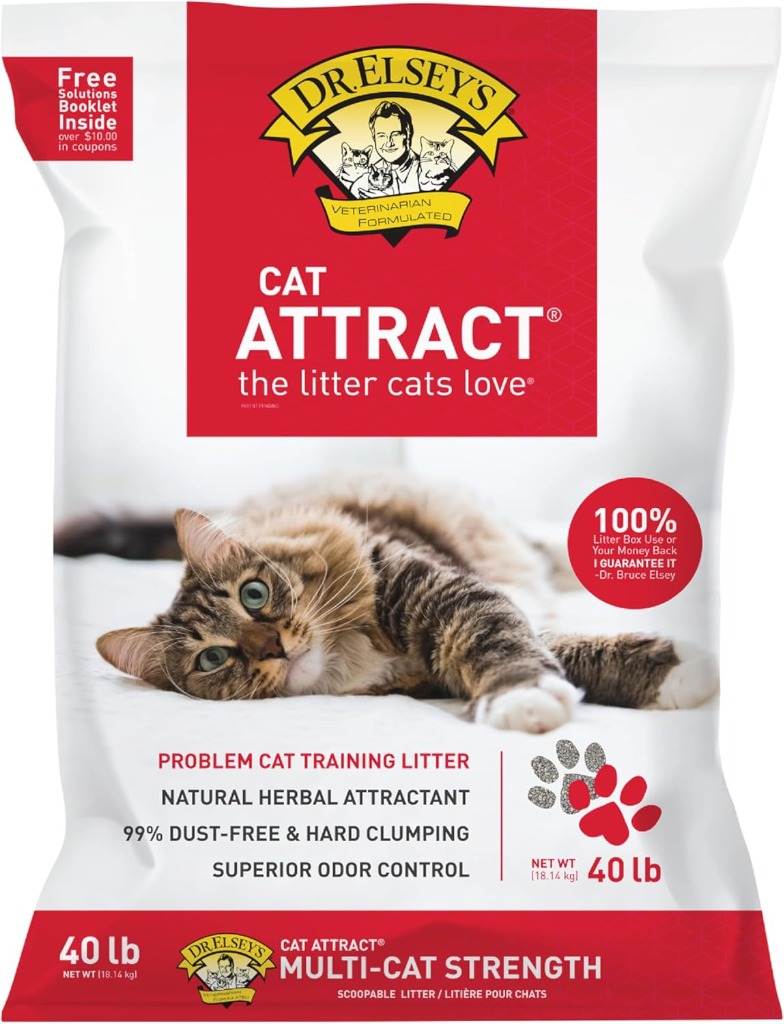
Unparalleled odor control and hard clumps. Keep your home smelling fresh.
Buy on Amazon →🔗 Affiliate link — you pay the same Amazon price, we earn a small commission at no cost to you.
The Science of Cat Litter Odor Control: More Than Just Perfume
To truly understand how cat litters work, we have to look at what they are fighting against. Cat urine is unique. It contains a high concentration of urea, which is relatively odorless when fresh. However, bacteria present in the environment (and in the cat's feces) possess an enzyme called urease. Urease acts as a biological catalyst, rapidly breaking down the urea into carbon dioxide and ammonia.
Ammonia is the culprit behind that eye-watering, sharp smell associated with a dirty litter box. Furthermore, male cats (especially unneutered ones) excrete felinine, a sulfur-containing amino acid that breaks down into volatile, incredibly pungent thiols—the same class of chemical compounds that give skunk spray its characteristic stench.
Effective odor control in cat litter does not just mask these smells with overwhelming floral perfumes; it actively neutralizes the chemical reactions. Traditional clay litters often rely on activated charcoal or baking soda (sodium bicarbonate). Activated carbon is highly porous, offering a massive surface area that traps volatile organic compounds (VOCs) through adsorption. Baking soda acts as an amphoteric compound, neutralizing the acidic components of the waste and raising the pH to inhibit certain bacterial growth.
Clay vs. Natural vs. Silica: The Ultimate Breakdown
The litter aisle is broadly divided into three main categories. Each has its distinct advantages and chemical properties.
1. Traditional Sodium Bentonite Clay
Since the 1950s, clumping clay has been the gold standard. The magic ingredient is sodium bentonite, a swelling clay that can absorb several times its dry mass in water. When your cat urinates, the liquid interacts with the sodium bentonite particles, causing them to expand and bind together into a cement-like block. This traps the urea and felinine inside, making it easy to scoop out the offensive material while leaving the clean litter behind.
Pros: Unbeatable hard clumping, excellent odor control, highly accepted by most cats due to its sand-like texture.
Cons: Heavy, environmentally destructive to mine (strip mining), and can produce fine silica dust which may exacerbate feline asthma or human allergies.
2. Natural and Biodegradable Litters
The push for eco-friendly pet products has led to an explosion of natural litters made from corn, wheat, walnut shells, recycled paper, wood pellets, and soy/tofu. These materials utilize plant starches and fibers to absorb moisture and create clumps.
Pros: Renewable resources, fully biodegradable, much lighter than clay, very little respirable dust.
Cons: Clumps are generally softer and can break apart during scooping, some cats dislike the large pellet textures (especially wood and paper), and corn/wheat can sometimes harbor aflatoxins or attract pests if stored improperly.
3. Silica Gel Crystals
Silica gel litters are composed of synthetic sodium silicate, highly porous crystals that absorb liquids instantly through an intricate network of microscopic pores. They don't clump; instead, the urine is absorbed into the crystal, trapping the odor, while the water evaporates back into the room over time. Solid waste is scooped out normally.
Pros: Virtually zero dust, extremely lightweight, requires changing less frequently (often lasting a month for a single cat), incredible at neutralizing ammonia.
Cons: Can be expensive, some cats find the sharp crystals uncomfortable to step on, and urine pooling can occur if the litter is not stirred daily.
The Real Secret to Managing Odor: Proper Disposal
We can talk about activated charcoal and odor-trapping crystals all day, but the absolute truth of litter box management is this: the box will stink if you leave the waste sitting around. Scooping once a day is the bare minimum, but twice a day is ideal.
However, what do you do with the waste once you scoop it? Throwing it in a regular trash can will quickly stink up your kitchen or garage. Taking a plastic bag to the outside dumpster every single time your cat uses the bathroom is tedious and terrible for the environment.
This is where proper waste management systems come into play. Investing in a dedicated disposal system is a game-changer. We strongly recommend using the Litter Genie to trap those volatile odors instantly. Its airtight design and multi-layer film bags prevent the ammonia and thiols from escaping back into your home, meaning you can scoop immediately without worrying about daily trash runs. It is perhaps the single most effective upgrade you can make to your litter box setup, outperforming any brand of litter you could choose.
🏆 Our Top Pick: Dr. Elsey's Premium Clumping Cat Litter
Unparalleled odor control and hard clumps. Keep your home smelling fresh.
Buy on Amazon →🔗 Affiliate link — you pay the same Amazon price, we earn a small commission at no cost to you.
Cat Psychology: What Do Cats Actually Prefer?
Humans buy cat litter based on odor control, dust levels, and convenience. Cats, however, judge litter on two entirely different metrics: texture and scent.
Biologically, cats are desert-dwelling animals descended from the African wildcat (Felis lybica). In the wild, they instinctively seek out fine, sandy substrates to eliminate. This loose soil allows them to easily dig a hole and bury their waste—a survival instinct developed to hide their scent from larger predators and avoid alerting prey to their presence.
When we introduce large, chunky wood pellets or sharp silica crystals, we are asking the cat to compromise their deepest instincts. This is why many behavioral issues, such as eliminating outside the box, can be traced back to litter aversion. If your cat is consistently peeing on your soft laundry or bathmat, they might be telling you that their litter is too rough on their sensitive paw pads.
Furthermore, cats have a sense of smell that is up to 14 times stronger than ours. Highly fragranced litters—lavender, pine, or "fresh meadow" scents—can be overwhelmingly noxious to a feline. Unscented litters are almost universally preferred by cats and are highly recommended by veterinary behaviorists.
Our Rigorous 2026 Testing Methodology
To determine the best cat litters of 2026, we did not just rely on manufacturer claims. We set up a controlled, multi-cat testing facility and evaluated 37 different litters over six months.
- Clump Strength (The Drop Test): We poured 30ml of synthetic feline urine (a warm saline and ammonia solution) into the litter. After 15 minutes, we scooped the resulting clump and dropped it from a height of 12 inches onto a hard surface. Litters that shattered were disqualified.
- Odor Control (The Ammonia Test): We placed heavily soiled litter samples into enclosed chambers and used professional-grade ammonia meters to measure the parts per million (PPM) of ammonia gas escaping after 24, 48, and 72 hours.
- Dust Levels (The Laser Test): We poured 5 pounds of each litter into an empty box in a dark room and used a high-powered laser grid to visually assess the volume of respirable dust plumes kicked up into the air.
- Tracking (The Treadmill Test): We simulated a cat exiting the box by pressing a textured rubber paw pad into moistened litter, then observing how far the particles traveled across various surfaces (carpet, hardwood, tile).
- Feline Acceptance: The final and most crucial test involved real cats. We set up "litter buffets"—multiple boxes side-by-side with different substrates—to observe which litters the cats naturally gravitated toward.
The Top Cat Litters of 2026: The Winners Revealed
Best Overall: Dr. Elsey's Ultra Premium Clumping Clay
For the fourth year in a row, Dr. Elsey's takes the top spot. Formulated by a feline-only veterinarian, this sodium bentonite clay litter strikes the perfect balance between hard clumping, superior odor control, and feline acceptance.
The clump strength is phenomenal. Within minutes of contact, liquid forms a solid, concrete-like puck that never crumbles during scooping. This prevents the tiny, soiled fragments from breaking off and contaminating the rest of the box, which is the primary cause of lingering litter box smells. The texture is a medium-grain clay that mimics natural soil, making it highly appealing to cats. It is unscented, hypoallergenic, and produced significantly less dust than its mainstream supermarket competitors.
Best Natural/Biodegradable: World's Best Cat Litter (Corn-Based)
If you want to move away from environmentally taxing clay, World's Best is the undisputed champion of the natural category. Made from compressed whole-kernel corn, it utilizes the natural starches to form surprisingly tight clumps.
What impressed us most was its odor control. Corn naturally traps ammonia incredibly well without the need for artificial perfumes. It is remarkably lightweight, making those 28-pound bags much easier to haul up the stairs. Because it is completely plant-based, it produces zero silica dust, making it a fantastic choice for cats with respiratory issues. Be mindful that because it is food-grade, in very rare, humid conditions, it can attract pantry moths, so proper dry storage is essential.
Best for Severe Odor: Ever Clean Extra Strong Clumping Scented
For multi-cat households or cats with particularly pungent waste, Ever Clean offers military-grade odor annihilation. Their formula incorporates activated carbon technology directly into the clay granules. Rather than just coating the outside, the carbon is locked within the granule, maximizing its surface area for adsorption.
While it is scented (which we usually advise against), the fragrance is paw-activated. It only releases a mild scent when the cat scratches at the litter, meaning the box does not constantly off-gas perfume into your home. The clumping is aggressive, trapping moisture instantly and preventing it from reaching the bottom of the pan.
Best Sustainable Alternative: Sustainably Yours (Cassava and Corn)
A rising star in the litter world, Sustainably Yours uses a unique blend of cassava (tapioca) and corn. Cassava contains incredibly sticky starches. When wet, this litter forms the hardest, tightest clumps we have ever seen in any category—outperforming even premium clays.
The clumps are almost rubbery and absolutely refuse to break apart. It is brilliantly white, which has a hidden medical benefit: it allows you to easily spot any blood or discoloration in your cat's urine, helping you catch urinary tract infections (UTIs) or kidney issues early. It tracks slightly more than standard clay, but the environmental benefits and clump strength make it a worthy trade-off.
Best Tofu Litter: Pidan Tofu Cat Litter
Tofu litter has taken the Asian market by storm and is finally gaining traction in the West. Pidan's Tofu Litter is made from food-grade soy pulp (okara). It is extruded into small, soft cylindrical pellets.
The magic of tofu litter is that it is completely water-soluble and flushable (check your local plumbing regulations). It produces absolute zero dust, making it the cleanest pouring experience of any litter tested. The soy pulp has natural odor-absorbing properties, leaving behind a faint, pleasant scent of vanilla or milk. While the pellets are larger, they are surprisingly soft, and our test cats adapted to them much faster than hard pine pellets.
Troubleshooting Common Litter Box Problems
The "Cement Mixer" Phenomenon
If your cat's urine is sinking to the very bottom of the box and forming an immovable block of cement stuck to the plastic, you are likely not using enough litter. Most litters require a depth of at least 3 to 4 inches to function correctly. This depth allows the liquid to be absorbed and form a clump suspended in the litter, rather than adhering to the floor of the pan.
Dealing with High Tracking
No litter is 100% track-free, despite what the packaging claims. Feline paw pads have natural oils, and small particles will inevitably stick between their toes. To combat this, you need a multi-tiered defense. First, use a high-sided box or a top-entry box (if your cat is agile enough). Second, invest in a dual-layer honeycomb litter mat. These mats catch the granules as the cat steps out and trap them in a lower layer, preventing them from scattering across your hardwood floors.
Litter Box Aversion (Going Outside the Box)
If your cat is urinating on the rug, it is a cry for help. Before assuming it is a behavioral issue, schedule a vet visit immediately to rule out painful conditions like FLUTD (Feline Lower Urinary Tract Disease) or crystals in the urine. Once cleared medically, evaluate the box. Is it clean enough? Is it large enough (it should be 1.5 times the length of your cat)? Is it in a quiet, low-traffic area? Are you using an unscented, sandy-textured litter? The golden rule for multi-cat households is one box per cat, plus one extra.
Conclusion: The Journey to a Fresher Home
The pursuit of the perfect cat litter requires a bit of trial and error, as every cat has their own distinct personality and preferences. Whether you opt for the heavy-duty clumping power of Dr. Elsey's, the eco-friendly corn of World's Best, or the innovative cassava blend of Sustainably Yours, the key to success lies in consistency.
Maintain a depth of 3-4 inches, scoop religiously, dump and scrub the entire box every 3-4 weeks, and seriously consider upgrading your disposal setup to trap those odors for good. With the right substrate and diligent maintenance, you can absolutely achieve a home that smells wonderfully fresh, proving that living with cats doesn't mean living with their smells.
🏆 Our Top Pick: Dr. Elsey's Premium Clumping Cat Litter
Unparalleled odor control and hard clumps. Keep your home smelling fresh.
Buy on Amazon →🔗 Affiliate link — you pay the same Amazon price, we earn a small commission at no cost to you.